Skip to content

Haram Jackson Park NLCS Jeju

All colors carry history. Before a dye touches cloth, it has already passed through landscapes, plants, hands, rituals, and generations of accumulated knowledge.

In Korea, the brilliant reds of hongyeom (홍염, traditional safflower red dyeing) and the deep indigos of namyeom (남염, traditional indigo dyeing) are more than colors. They are repositories of botany, craftsmanship, aesthetics, and cultural memory. For centuries, these traditions have survived through master–apprentice relationships, where knowledge is passed from hand to hand.

Today, much of this knowledge is on the verge of disappearing. As fewer artisans continue these practices, awareness of them continues to decline. It is not only the craft that fades, but also the tacit knowledge embedded in every stage of making.

Dyeing the Dying History is a digital archive dedicated to preserving Korea's traditional dyeing heritage before these living traditions fade away.

Through fieldwork, hands-on apprenticeship, historical and scientific research, interviews, public engagement, and the practice of dyeing itself, this project documents the people, processes, places, and stories that give color its meaning. By recording both the tangible objects and the intangible knowledge they embody, the archive seeks to ensure that these traditions continue to inspire and endure for future generations.

Red: Korean safflower dyeing

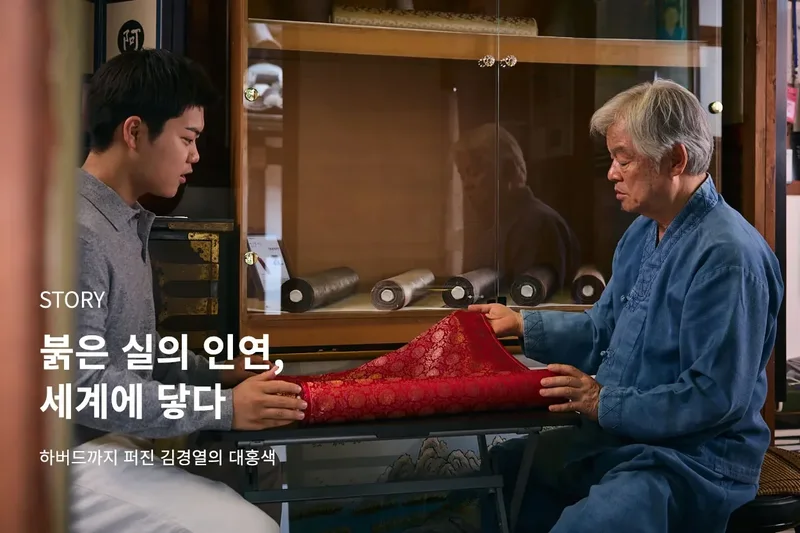
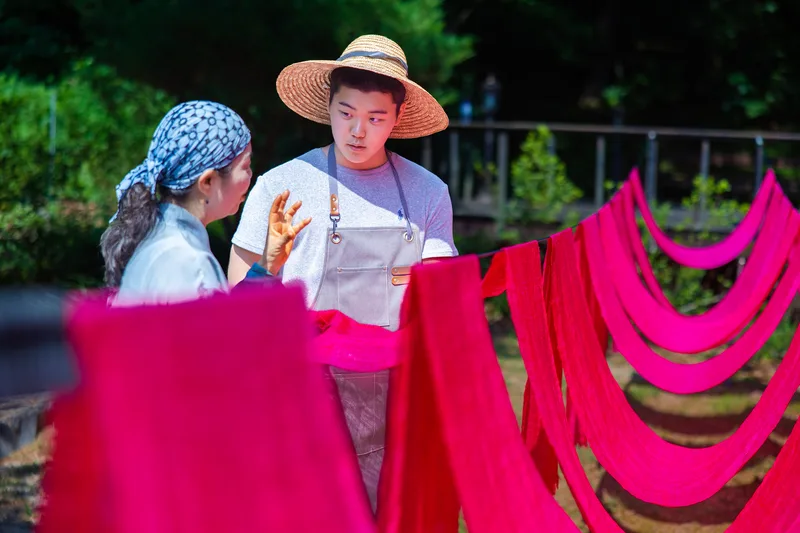
Hongyeom (홍염) is Korea's traditional art of safflower red dyeing. Safflower, known in Korean as itkkot, was used to produce daehong, the deep red associated with Joseon royalty. My exploration of this color has taken me from centuries-old historical records to the workshop of Master Kim Gyeong-yeol, where the tradition continues today.

Read the process

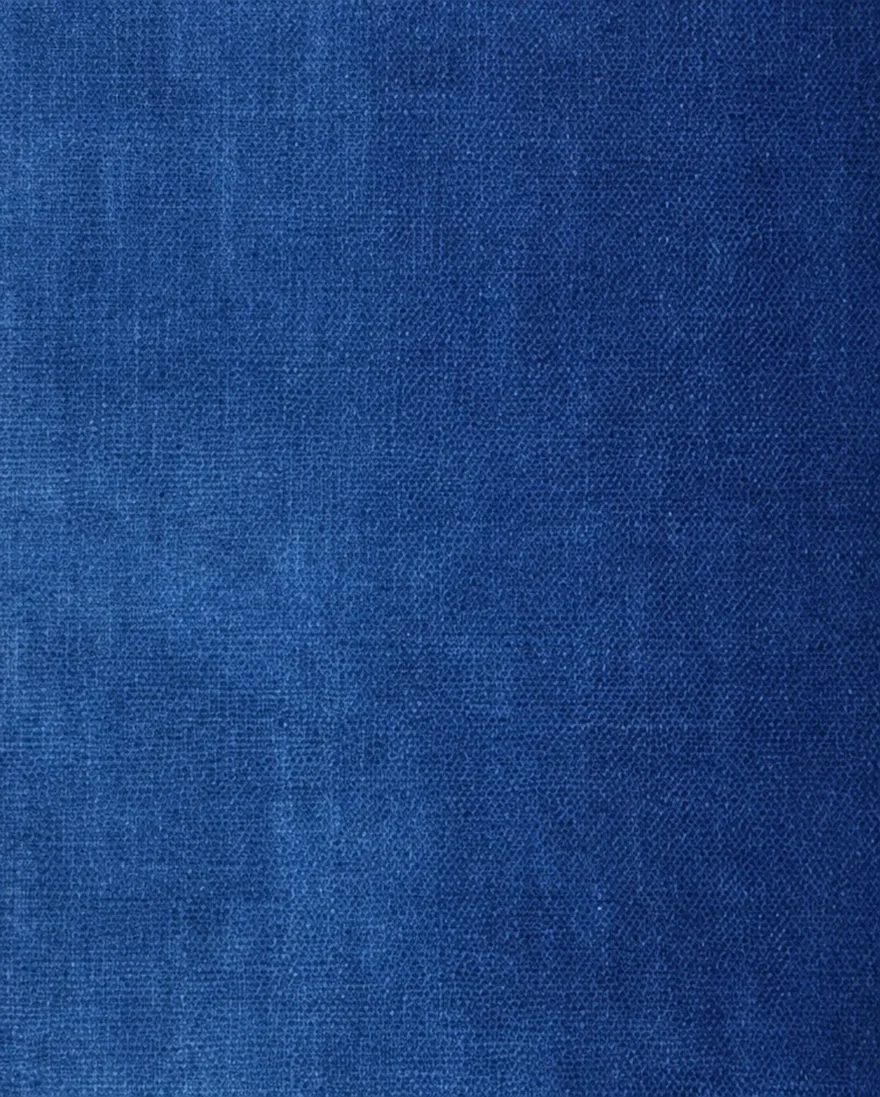
Indigo: Korean indigo dyeing

Namyeom is Korean indigo dyeing, made from the leaves of Persicaria tinctoria, jjok in Korean. Koreans still speak of a “jjok-blue sky” and a “jjok-blue sea.” In Saetgol, Naju, Master Jeong Gwan-chae still judges every vat by hand.

Read the process

Featured In

Research

What the work on Korean red and indigo has led to so far. Each one opens onto the steps behind it: the visits, the dyeing and the writing. The paper and the field study are gathered on the Research page.

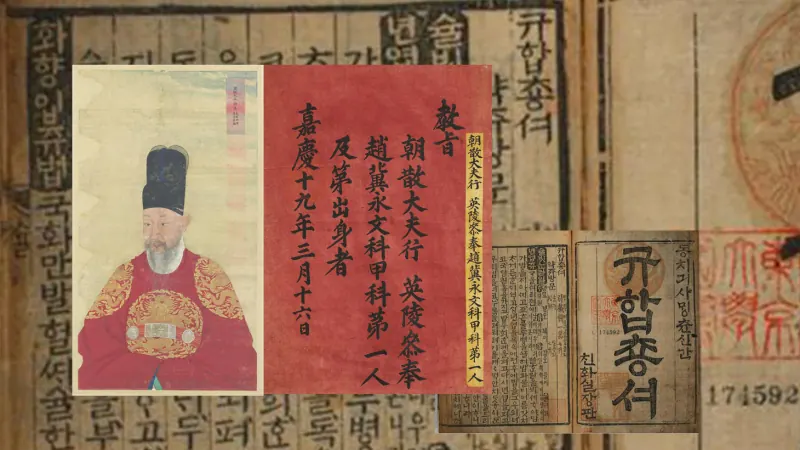
  1. Collage of a Joseon royal portrait in a red dragon robe, a certificate on red paper and the Gyuhap chongseo, over a page of old Korean text

    01Paper · Mar 2025 to Sept 2026

    Red and the Record

    A published literature review that follows Korean red from its regulated use in Joseon royal clothing to its mass adoption during the 2002 FIFA World Cup. The Oxford Journal of Student Scholarship, Vol. 11, Issue 5.

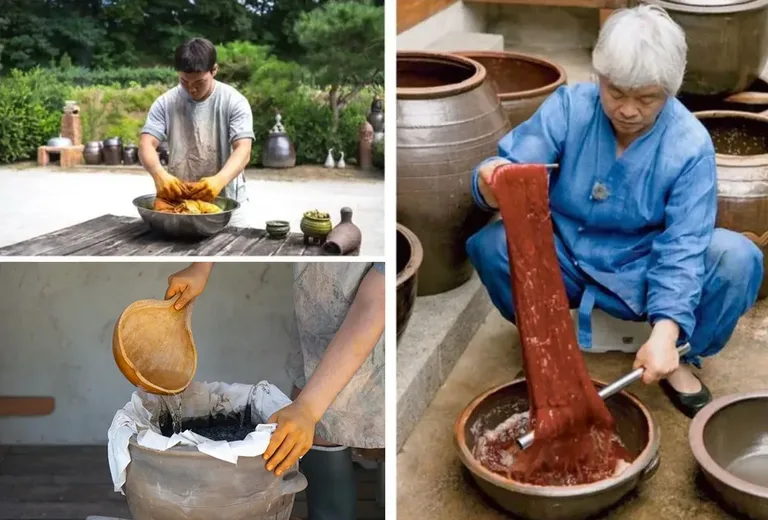
  2. Photo collage of safflower dyeing: kneading safflower petals by hand, straining the dye through cloth, and Master Kim Gyeong-yeol lifting red silk from a dye bowl

    02Field study · Mar to Aug 2026

    Chemistry and Craft

    I observed Master Kim Gyeong-yeol’s forty-four-round daehong process and sampled the silk at rounds 5, 12, 28, 36 and 44. Measured in CIE L*a*b*, redness rose from 42.33 to 64.23.

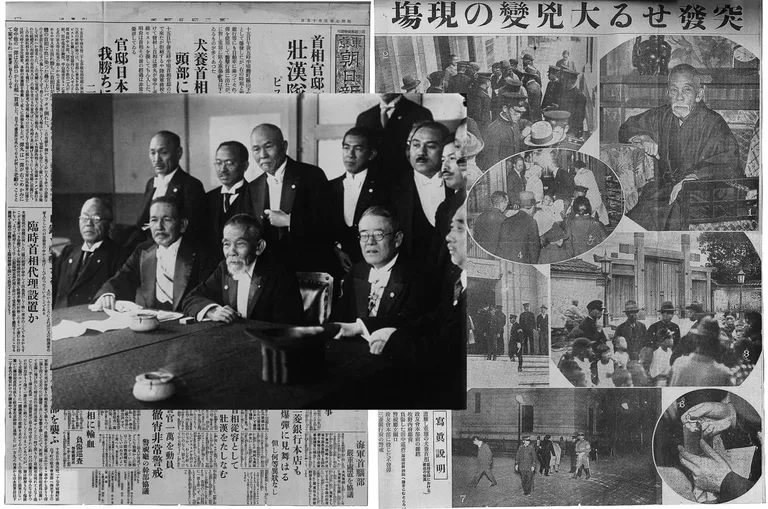
  3. Collage of 1932 Japanese newspaper pages and a photograph of cabinet members seated at a table, from the coverage of the Inukai assassination

    03History · June 2026

    Historical Investigation

    To what extent was the assassination of Prime Minister Inukai a turning point in Taisho Democracy?

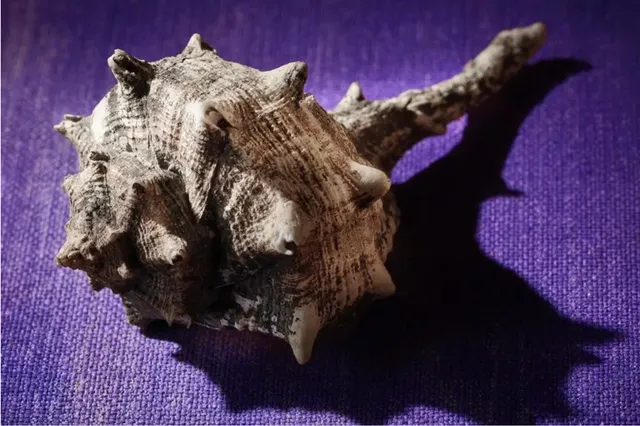
  4. Opening page of the Latin Internal Assessment: the title and the research question about the colour purple in Roman authors

    04Latin

    Latin Internal Assessment

    How did Roman authors present the colour purple (purpura) as a symbol of political and social status?

Poetry

Artwork