Skip to content

Poetry

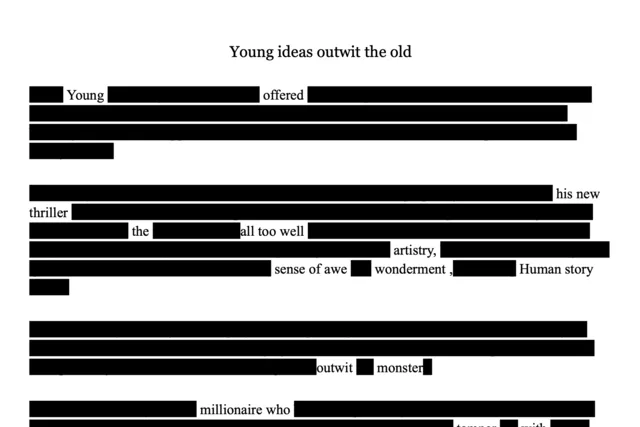
Young ideas outwit the old

Page 1 of 2 of the blackout poem Young ideas outwit the oldPage 2 of 2 of the blackout poem Young ideas outwit the old
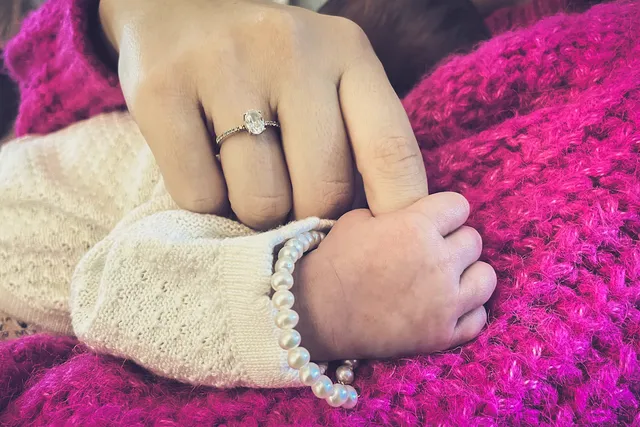
Photo for the poem Taking off my lenses to see

Taking off my lenses to see

By Jackson Park

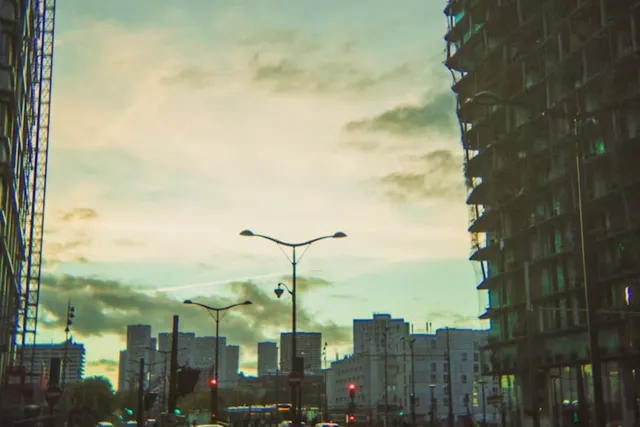
Opening my eyes doesn’t feel like opening my eyes.Everything arrives as dazzling darkness with patches of light.Cloud, fog, haziness caught inside my sight.

Opening my eyes didn’t work, so I had to pry and cry.My eyes woke in the city of a water-colored sky.The sky, a wet sheet of A4, held its water high.As if underwater, light strained through my bare eyes.

Not opening my eyes meant opening my ears.The wave of the city washed against my window and appearedas vehicles of the sea: buses buzzing, cars skidding,engines hissing bubbles of breath near.

I didn’t open my eyes.Still, an orchestra of wheels and eels behind my eyes.

Photo for the poem U.S. Removes Curbs on Anthropic's Latest Fable and Mythos AI Models

U.S. Removes Curbs on Anthropic's Latest Fable and Mythos AI Models

By Jackson Park

Knee-high hedges hunched against the curband a faint smell of herbs–mushed green someone’s grandmother pressedinto poultice, as her grandmother before her,ancient remedy

The wise spirit embodied in aromaswishes past me,unlike us,never oblivious

I breathe in a little of their spelland suddenly it pricksthe back of my dusted-over nose,tickling a sleeping sensation– I knowI know this memory of green

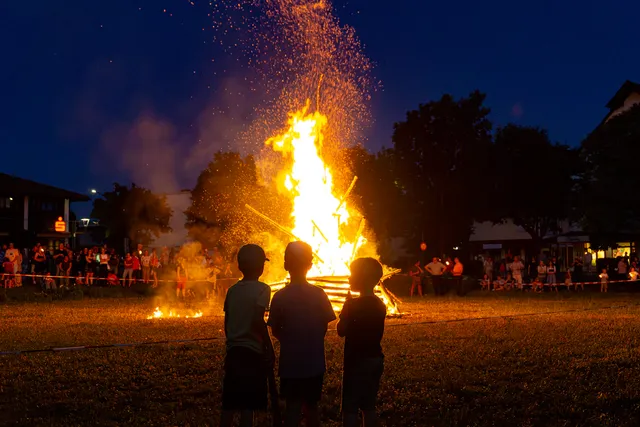
I gathered once around this green, around a flickering redmyths and fables passed from mouth to mouthfirelight merged our shadows into one body,bare feet lifted dust with every drumbeat,children circled laughing and jumping beneath the first starsmy anthropos, stirred holy and nervous.

Photo for the poem Ghazal for a Crooked Heart

Ghazal for a Crooked Heart

By Jackson Park

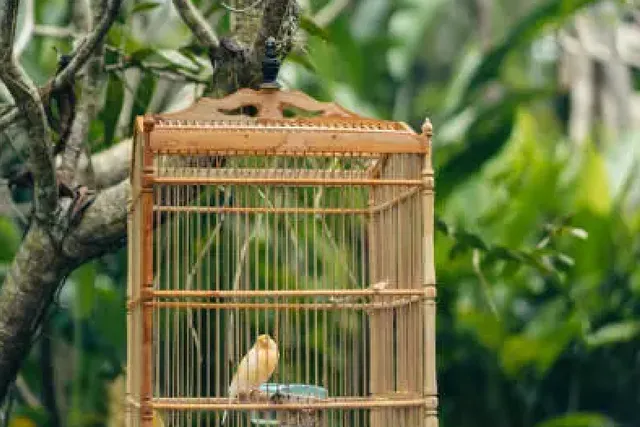
The cage of my ribs opens each dawn for another chickWholeheartedly it waits, a snare for the day's little chick.

She flew into my cage, chirping joy and love lyricsI noticed her chest softly pressing on my cheek.

Deep below, her heart beat lub-dub  then fasterlub-dub, lub-dub, luv-dumb.  She is dumb to love me, my chick.

She traced circles on my wrist and called the pulse reassuringNeither of us noticed another creature listening – chik, chik.

A greying rat slipped quietly beneath my ribs,Its furry tail threading along my lungs while you still sang, my chick.

Red eyes drank where your whisper entered the arteriesIt fed on love. Soon my heartbeat answered only chik-chik instead of you.

Whiskers combed my ventricles like reeds beside a creekTiny paws …. crawled every chamber where your voice would roost, my chick.

You kissed my chest believing something gentle lived insideYou nurtured love; I nurtured the creature that destroys it, sorry my chick.

Who taught this little rat to masquerade as heartbeats?It mistook every bird for hunger: another chick….another chick.

Forgive the girl that chose my ribs as her cageIt never knew what else had nested there.

Photo for the poem Lest our children remember

Lest our children remember

By Jackson Park

1. spread the jam

spread the blueberry jamevenly. don't leavethe corners bare. or for yours sparelest our children rememberhow hunger starved them,not your knifescraping the lastpurple from the glass.if the jar is empty,scrape harder.we knowsweetness hidesin impossible places.

2. spread what you can

spread the laundry on the rackwhite t-shirts we bought from Uniqlospread them, napkins, bed sheetsand don’t forget to smooth the seamslest our children sleep between the wrinklespair the socks, two by twoso they don’t walk alone in the cold.spread the love, until you are see-through.if your heart is empty,scrape harder.we know how to pullone last scrap of warmthfrom the worn hem of themselves.

Must youspread yourself thin

3. spread their wings

yes, spread their wingsspread them wide, past the front door,the bedrooms you hated making–let them spread.don't mistake departurefor betrayal.Finally, when they fly offfrom the nest we built for decades and morewe should now knowhow to bear the silence.

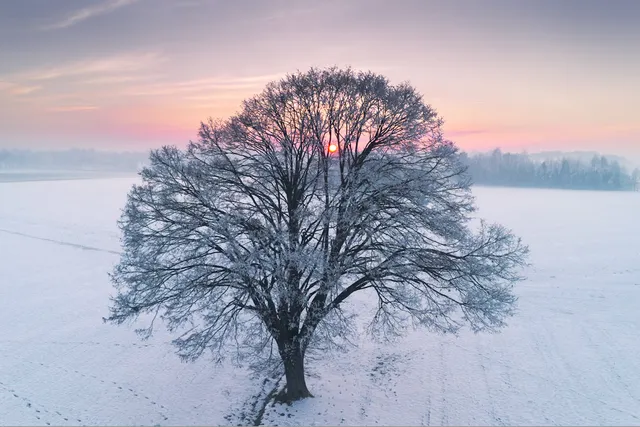
Photo for the poem Zenith

Zenith

Written by Yi Yuksa | Korean to English translation by Haram Park

Flayed by the season's burning lash,Hurled at last to the North’s end.

A plateau where heaven lies dead–Upon blades of frost, I stand.

Kneel?Where should these knees bend?No earth remains beneath them.

Heaven’s dead. Still I close my eyes and witness–Our winter: a rainbow forged in steel.

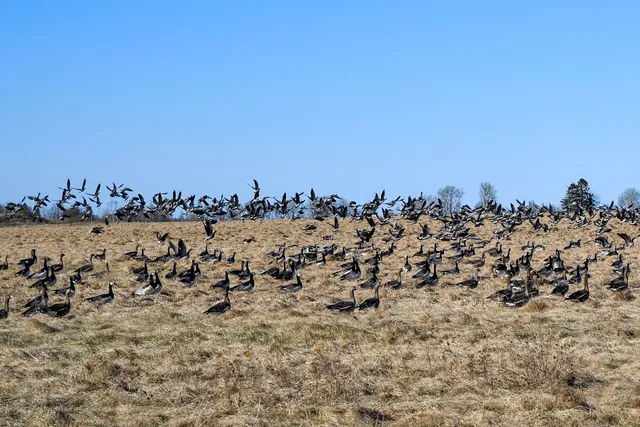
Photo for the poem Waiting for the Thaw of Tomorrow

Waiting for the Thaw of Tomorrow

Written by unknown | Latin to English translation by Haram Park

Lust impregnates the country to be fertile, the country quivers with the pulsing presence of Venus.Eros himself, child of the deep Dione, creature of the primaeval soil.As the field groaned in its labour, Venus gathered him into her affirming breast.She herself nurtured his divinity with the soft kisses of the blossoming world.

Tomorrow those uninitiated shall be consumed, tomorrow the veteran of Desire shall be reborn in fire.

Look! Beneath the yellow flowering scrub, young beasts uncoil their limbs.Every creature is bound, secure in the primordial yoke of the Eternal Feminine.Look! The bleating flocks seek shadows of their masters:The Divine Will has forbidden the feathered choir their silence.

Now the raucous voices of the swans shatter the stillness of the stagnant pools.Under the poplar’s gloom, tragic Philomena echoes her feral refrain.You would swear the very rhythms of Lust were finding their musical tongue.You would deny that the sister’s soul screams against the barbarian’s outrage.

She finds her song. We remain in wretched silence. When shall the thaw of my own Spirit arrive?When shall I transform into a soaring bird to break the chains of this muteness?My silence has strangled the Muse, even the Sun-God averts his cold eyes from my decay.Thus did Amyclae perish– a victim to the abyss of its own unspoken word.

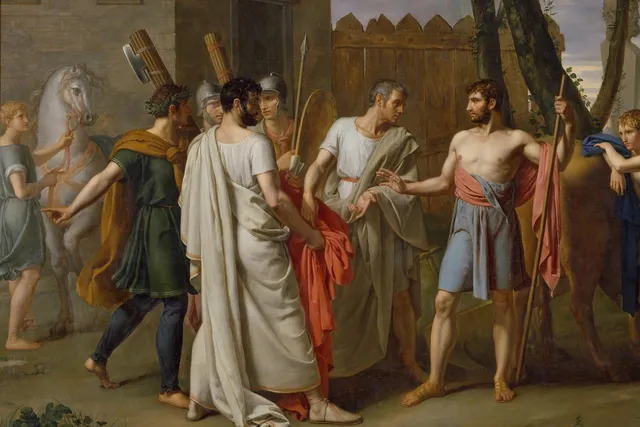
Photo for the poem Silent Virtue

Silent Virtue

Latin

  1. Sole oriente, omnes viri oppidi in agros adveniunt, terram arantes ut hordeum, uvas, olivasque colant.
  2. Cum etiam boves verbera ferentes ordine agrum arantes, equique onera huc illuc portantes laborarent, Fabius agricola ignavus vix tandem adveniebat.
  3. Eum, quem ceteri agricolae in agris raro conspiciebant, sub arbore saepe iacentem atque mulsum libenter bibentem facile videri poterat.
  4. Non tam labore quam otio delectabatur.
  5. Erat autem quidam agricola, qui a sociis laudaretur et a pueris per vias caneretur, cuius nomen nemo sciret, industriam tamen disciplinamque animumque terris colendis deditus erat.
  6. At Fabius ignavia caecatus mirabatur cur ille a conviviis conventibusque se abstineret atque parvo agro contentus esset , eum sine animo virorum esse putans.
  7. Subito nuntii, armis induti non paenulis, ex via equis celeriter advenerunt longa.
  8. Nuntii genibus flexis supplices dixerunt vocemus et virum pietatis et temperantiae ad dictaturam, ut Romam ab exitio servemus.
  9. His verbis audits, ille agricola paulatim caput adhuc pulvere opertum sustulit.
  10. Nomen eius tandem prolatum est Lucius Quinctius Cincinnatus.
  11. Fabius percussus intellexit erravisse eum quem antea contempersat verum virtutis virum fuisse; ita virtus Cincinnati non solum rem
  12. publicam sed etiam Fabium ipsum servavit.

English Translation

  1. With the sun rising, all the men of the town come into the fields, ploughing the land in so that they may cultivate barley, grapes, and olives.
  2. When even the oxen, bearing beatings, were working, ploughing the field in order, and the horses were working, carrying loads here and there, Fabius, a lazy farmer, was scarcely at last arriving.
  3. He, whom the other farmers rarely caught sight of in the fields, could easily be seen often lying under a tree and gladly drinking honeyed wine.
  4. He was delighted not so much by work as by leisure.
  5. However, there was a certain farmer, who was praised by his companions and was sung about by boys along the street, whose name no one knew, but having been devoted in respect to his industry, discipline, and spirit for the lands to be cultivated.
  6. But Fabius, blinded by laziness, was wondering why that man kept himself away from banquets and gatherings, and was content with a small farm, thinking that he was without the spirit of men.
  7. Suddenly, the messengers, clothed in arms not in cloaks, swiftly arrived on horseback from the long road:
  8. The messengers, with knees bent as supplicants, said “Let us call a man of duty and self-control to the dictatorship, so that we may save Rome from destruction.”
  9. With these words having been heard, that farmer slowly raised his head, still covered with dust.
  10. His name at last was brought forth, Lucius Quinctius Cincinnatus.
  11. Fabius, struck, understood that he had made mistakes, that the man whom he had previously despised had been a true man of virtue; and so the virtue of Cincinnatus saved not only the state but also Fabius himself
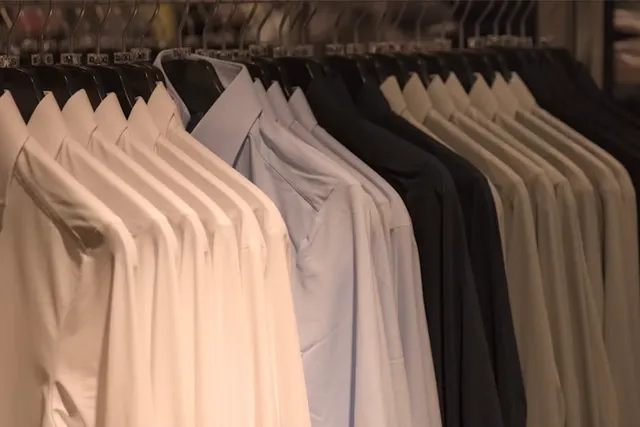
Photo for the poem The Study and the Wardrobe

The Study and the Wardrobe

A closet of sharp ties,is my father's domain.

Square-shouldered suits huddle,two pairs of hard shoes on the cold floorone slightly worn at the heel.

Half-zipped briefcase glimpsed beyondtall stacks of books.His world folds everythinginto flavourless documents,piles of bills,all smell faint of ink.

But my world unfurls,a rebellious colour,soft at the collar,afraid of the chill here.

More than paper,his day is folded tight,creased along the right,inside those forms.

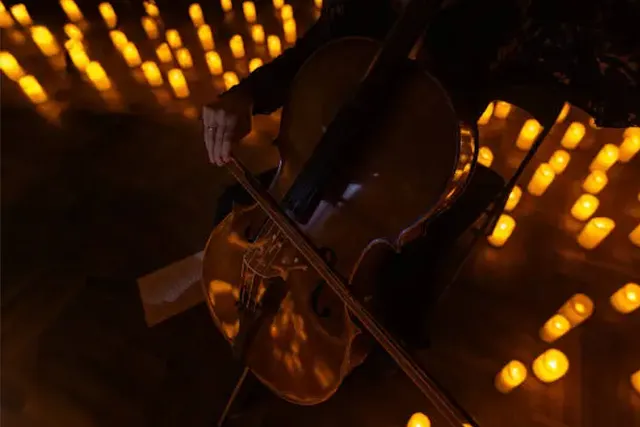
Photo for the poem Mrs. Bach

Mrs. Bach

Have you heard his cello?Cantata BWV 156: AriosoThe way it moves through a room like weather,like God clearing his throat.

His virtuoso was my Othellojealous of every hour I wasn't his,every note I wrote for myselfbefore he filled my mouth with his instead.

Our house was a bordello,always loud and someone wanting,thirteen children, but myself burning.

Every night, with dimly lit candlethat naked punchinellobelieving that the whole worldwas a stage built for his wordand feet, and I was simply the floor.

Such a mellow fellow, they said.Such a man. Such a gift to the world.Johann Sebastian.The greatest musician.

And when he died,that fellowthe only one at my elbowleft me as a pathetic widow.I was no longer a musician,a composer, the highest-paying songwriter.

Just a widow.Just the hollow echowhen his cello ends.

OH!Ohoh.