
Jackson (Haram) Park · NLCS Jeju
Abstract
This study examines the history, craft practice, and colour development of traditional Korean safflower (hongnyeom) dyeing through direct collaboration with Kim Gyeong-yeol, Seoul Metropolitan Government-designated Intangible Cultural Heritage Hongnyeomjang (Master of Red Dyeing). Historically developed within Korea’s court dyeing system, hongnyeom was used to produce daehong, a deep red closely associated with royal and ceremonial authority. The study considers this historical context alongside direct documentation of Master Kim’s forty-four-cycle dyeing process and an image-based analysis of its resulting colour. Silk samples collected at rounds 5, 12, 28, 36, and 44 showed a progressive but nonlinear change in CIE L*a*b* colour coordinates: lightness (L*) decreased from 68.05 to 46.14, redness (a*) increased from 42.33 to 64.23, and yellowness (b*) increased from 11.92 to 39.04. The greatest increase in redness occurred between rounds 12 and 28, after which gains diminished, while yellow-red tonal development continued through round 44. Comparison with a modern synthetic acid-dyed sample produced a colour difference of ΔE = 9.25, with the synthetic sample appearing darker and more yellow-shifted. Together, the historical, material, and colour evidence illustrates how an inherited textile practice embodies both cultural meaning and highly refined empirical knowledge. As measurements were derived from smartphone photographs rather than standardised spectrophotometry, the reported CIELAB values should be understood as comparative image-derived colour coordinates rather than direct measurements of dye concentration or carthamin uptake.
Keywords: Korean safflower dyeing; hongnyeom; carthamin; natural dyes; textile heritage; colour measurement; intangible cultural heritage
1. Introduction
Traditional dyeing techniques sit at the intersection of cultural heritage and materials science, and among Korea's traditions none carries greater symbolic weight than hongnyeom — the safflower-based process for producing daehong, the deep red once reserved for royal and ceremonial use. The craft traces to the Three Kingdoms period (57 BCE–668 CE), when dedicated court dyeing offices already existed, and reached its most refined form during the Joseon dynasty (1392–1910) within the royal institution of Sangyiwon and the specialist hongjeon workshops, where red carried particular authority as a symbol of power, vitality, and ritual meaning.
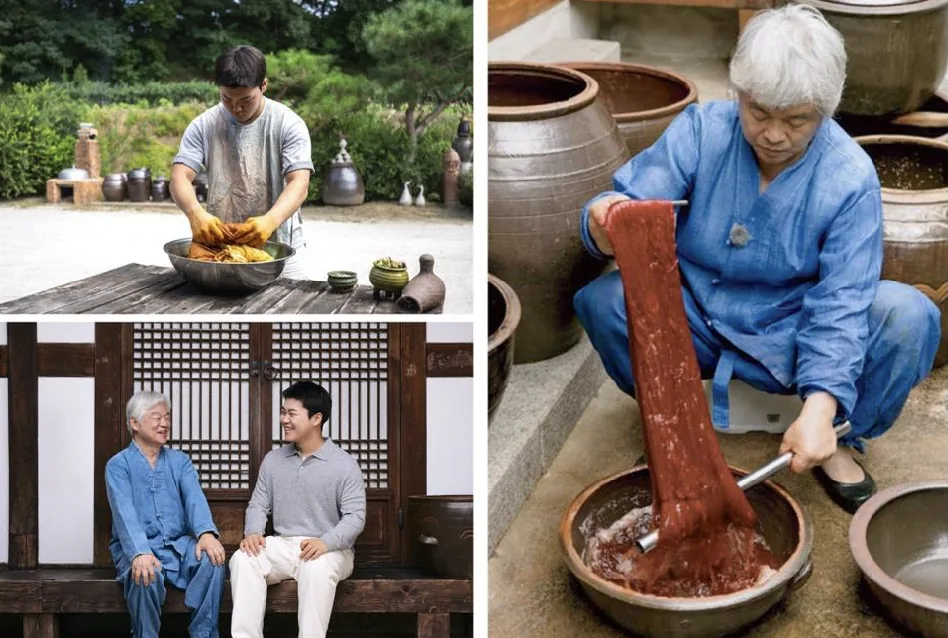
The later Joseon shift of royal symbolism from red to yellow, the influx of Western synthetic dyes, and the suppression of traditional crafts under Japanese colonial rule (1910–1945) together eroded the practitioner base and placed the craft's continuity at serious risk. Korea's Intangible Cultural Heritage designation system was introduced to counter this decline, and in 2017 the Seoul Metropolitan Government designated Kim Gyeong-yeol — who has practised safflower dyeing since 1974 — as Hongnyeomjang, Intangible Cultural Heritage No. 49. This study grew directly out of collaboration with Master Kim, together with Park (the author of this study) to observe and document his daehong process in the field and to interpret it through image-derived CIE L*a*b* colour measurement. The later Joseon shift of royal symbolism from red to yellow, the influx of Western synthetic Safflower (Carthamus tinctorius L.) contains two chemically distinct pigments — a water-soluble yellow pigment and the red pigment carthamin, whose solubility and colour expression vary with pH — extracted under alkaline conditions and fixed onto fibres under acidic conditions. Existing scholarship has largely examined these pigments in isolation or compared natural and synthetic dyes as broad categories; English-language research treating the hongnyeom process as an integrated system — pairing direct observation of an authenticated Intangible Cultural Heritage practitioner with colorimetric analysis of the resulting colour — remains scarce. This paper accordingly asks two questions: (1) how does the image-derived colour of hongnyeom-dyed silk change across rounds 5 through 44 of the traditional process, and (2) how does the resulting colour compare, in perceptual and chromatic terms, with a modern synthetic acid dye applied to the same substrate?
2. Historical and Cultural Background
2.1 Origins and Rise to Royal Status
Hongnyeom refers to the traditional technique of producing red coloration in textiles using safflower, and it occupies an important position in Korean dyeing culture. Safflower is believed to have originated in Egypt and reached Korea via China, likely during or before the Three Kingdoms period, as suggested by historical records and colour depictions in Goguryeo tomb murals. Until the mid-Goryeo period red was valued but not yet tied to royal authority; from around 1370, under King Gongmin of Goryeo, its symbolic status rose sharply, a shift the Joseon dynasty later institutionalised by designating daehong the royal colour and a symbol of sovereignty.
2.2 The Joseon Royal Workshop System
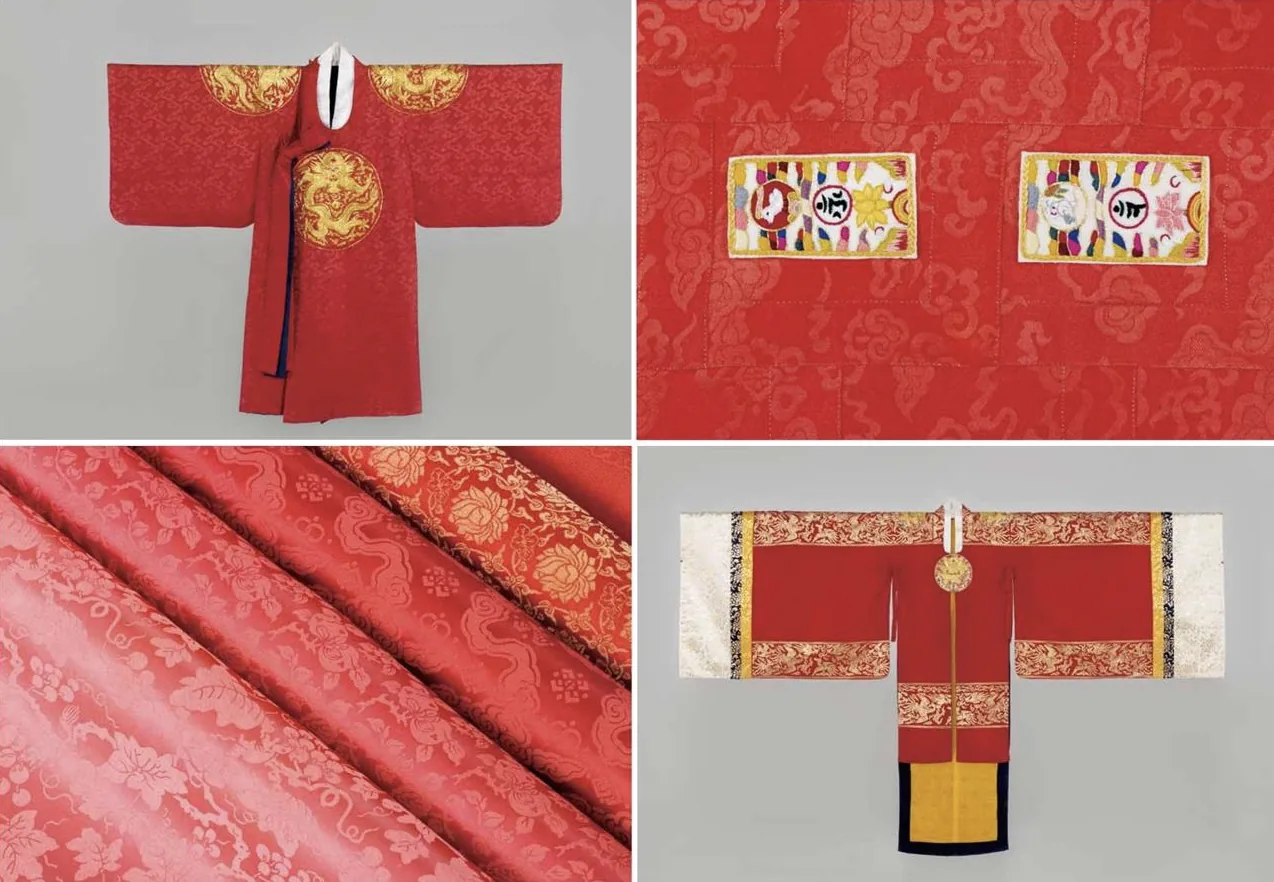
During the Joseon dynasty, safflower dyeing developed into a highly organised court-centred system. According to the Samguk Sagi, hongjeon functioned as an administrative dyeing unit, a role further specialised in Joseon through the Sanguiwon, which established hongyeomjang — artisans dedicated to producing daehong — to ensure controlled production and consistent quality of the royal colour.7 Crucially, daehong of the required quality could not be produced outside this designated system: the Sanguiwon and hongjeon held sole authority to manufacture the royal colour, so an extant garment dyed in daehong is itself evidence of production within this royal workshop tradition. The Joseon Wangjo Sillok records continuous efforts to refine dyeing technique in pursuit of colour consistency, an institutional pursuit of reproducibility comparable in spirit, if not instrumentation, to modern quality control. In the late Joseon dynasty the royal symbolic colour shifted from red to yellow following King Gojong's adoption of the hwangnyongpo; combined with Western synthetic dyes and colonial-era restrictions, this weakened the social and economic foundations of the traditional craft.
2.3 Social Regulation and the Weight of Red
Daehong held both high economic and social value in Joseon Korea. Its production required complex processes, substantial materials, and significant time, making it an expensive and scarce resource. Regulation of colour by social status traces to the Silla period; by Joseon, daehong was explicitly tied to royal authority, and mid-fifteenth-century sumptuary law restricted its use further, including in diplomatic ceremonies involving Chinese envoys. This institutional and political weight demanded a high degree of precision and reproducibility in production — a demand that plausibly drove the development of hongnyeom as a highly controlled, repetitive process, and one that motivates its scientific examination here.
2.4 Transmission Today
Korea's Intangible Cultural Heritage system preserves such traditions through master artisans and apprenticeship-based training. Kim Gyeong-yeol, who has practised safflower dyeing since 1974 and was designated Hongnyeomjang in 2017, has contributed to the restoration of nationally significant artefacts and plays a central role in transmitting this knowledge. This study is situated within that living context of transmission, examining the hongnyeom process through direct collaboration with a certified practitioner in order to document the practice and interpret the science embedded within it.
3. Chemical Foundations
The physicochemical background below is drawn from existing literature on carthamin chemistry and natural-dye textile science, presented as context for interpreting the process described in Section 4. None of the specific parameters given here were independently measured in this study; where the traditional practice is linked to them, the relationship is offered as an interpretive hypothesis rather than an experimentally confirmed finding.
3.1 Carthamin's Structure and pH-Dependent Solubility
Carthamin, safflower's primary red pigment, is a flavonoid with a quinochalcone glycoside structure (C₄₃H₄₂O₂₂). Its multiple phenolic hydroxyl groups govern solubility: under neutral-to-acidic conditions (pH ≤ 7) they remain protonated and the aromatic core is strongly hydrophobic, rendering carthamin nearly insoluble in water; under alkaline conditions (pH ≥ 9), deprotonation forms hydrophilic phenolate anions that enable dissolution.
3.2 Selective Removal of the Yellow Pigment
Safflower petals also contain a water-soluble yellow pigment, Hydroxysafflor Yellow A, soluble across a wide pH range unlike carthamin. This difference underlies a key traditional step: repeated cold-water washing (below 20°C) selectively removes the yellow pigment while retaining carthamin in the petal, since incomplete removal introduces yellow tonal interference and reduces the purity of the resulting red.
3.3 Ash Lye
Ash lye (jaetmul), traditionally obtained by burning soybean stalks, is an alkaline solution of potassium carbonate and hydroxide reported at pH 10.5–11.5. It serves two functions described in the natural-fibre literature: enabling carthamin extraction via phenolate formation, and degumming silk through alkaline hydrolysis of sericin. A carbonate–bicarbonate buffer is generally reported to stabilise this pH range and limit oxidative carthamin degradation. Artisans are understood to gauge alkalinity empirically — for instance, by a slippery, saponified sensation — a plausible link between craft knowledge and underlying chemistry rather than a measured finding of this study.
3.4 Schisandra Vinegar and Colloidal Stabilisation
Schisandra vinegar (omijacho), a fermented mixture of malic, citric, and tartaric acids (pH ≈ 2.8–3.2), is added gradually to the alkaline hongnyeomsu, re-protonating carthamin phenolate anions. The literature describes the re-protonated carthamin as forming a colloidal dispersion rather than a bulk precipitate, consistent with the characteristic crimson foam (kkotgeobum) observed at this step (Hancke et al., 1999). Because these acids are polyprotic, they buffer more effectively across a wider pH range than a monoprotic acid such as plain vinegar — making Master Kim's use of omijacho a striking instance of traditional practice converging with favourable buffering chemistry, discussed further in Section 6.1. Colloid particle size and bath pH stability across all forty-four rounds were not independently measured in this study.
3.5 Bonding Mechanisms and the Limits of the Langmuir Model
The literature proposes several possible pigment–fibre binding mechanisms — hydrogen bonding between phenolic hydroxyls and fibroin's amino acid residues, hydrophobic interaction between carthamin's aromatic core and fibroin side chains, and interfacial dehydration during drying — but this study did not conduct the spectroscopic measurements (e.g., FTIR, XPS, solid-state NMR) needed to confirm which operate here, and does not claim to have demonstrated any directly; we therefore avoid the term ‘quasi-covalent,’ which would imply an unestablished bonding chemistry. By contrast, synthetic acid dyes form well-understood ionic bonds between sulfonate and protonated amino groups on fibroin within a single dyeing cycle. The Langmuir model (θ = KC / (1 + KC)) is introduced here only as conceptual background for why repeated, cumulative deposition onto a finite fibre surface might plausibly show diminishing colour gain per cycle; because CIE a* is an optical coordinate reflecting scattering, texture, residual pigment, and finishing effects rather than a direct measure of adsorbed dye mass, we do not fit the model or report a saturation capacity from the colorimetric data collected here.
4. Methodology
4.1 Observation and Documentation of the Dyeing Process
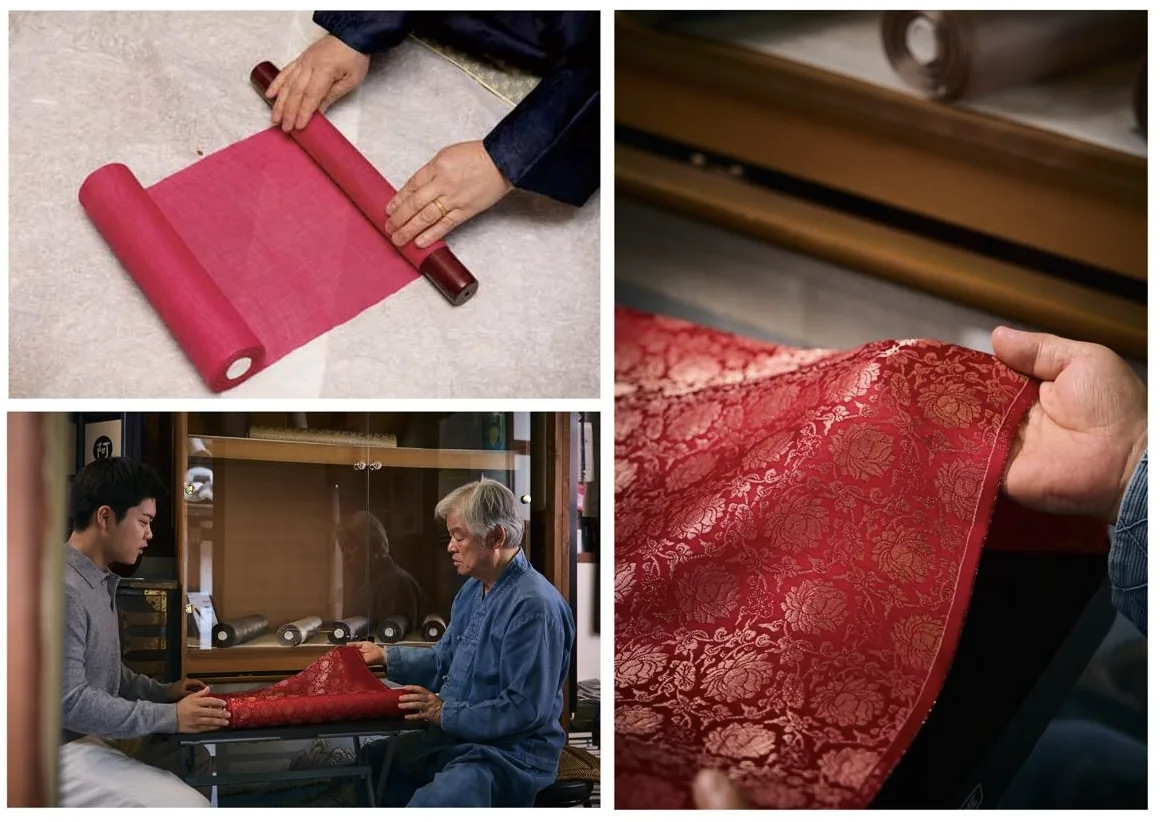
Primary data were collected through direct field observation at Master Kim Gyeong-yeol's studio from early March to mid-April 2026, in collaboration with Park. Key procedural variables — pH, temperature, immersion duration, and washing cycles — were recorded at each observed stage. The traditional daehong process comprises ten sequential stages across three phases: material preparation (Stages 1–4), dyeing (Stages 5–8), and finishing (Stages 9–10). In material preparation, ash lye was extracted at approximately 45°C (pH 10.5–11.5), and silk was scoured in diluted lye (pH 9.5–10.0) at 80–85°C for thirty minutes. In the dyeing phase, florets were cold-washed (four to seven cycles), kneaded in lye water to extract hongnyeomsu, and omijacho was added gradually to form the colloidal dye at approximately pH 5.5–6.0. Forty-four successive dyeing rounds were performed, alternating fabric and thread, with shade-drying between rounds; raw soybean flour suspension was applied after rounds five and ten to augment binding sites. In finishing, fabric was treated with raw soybean protein, coated with animal hide glue, and mechanically pounded (dochim) to increase specular reflectance and colour depth — treatments that alter surface gloss and light scattering independently of pigment content, meaning the observed colour progression reflects both dye accumulation and stage-specific surface effects.
4.2 Image-Based CIE L*a*b* Colour Measurement
Colour values were expressed in the CIE 1976 L*a*b* space, with colour difference calculated as ΔE = √(ΔL*² + Δa*² + Δb*²), and chroma (C* = √(a*² + b*²)) and hue angle (h° = arctan2(b*, a*)) calculated to describe chromatic magnitude and direction. Measurement was carried out in Master Kim's research laboratory: each 7.5 × 7.5 cm specimen was placed flat on A4 white paper and photographed with a smartphone under natural daylight, three photographs per sample, averaged to obtain the reported values. The same arrangement was used for rounds 5, 12, 28, 36, and 44. As the field record does not specify the smartphone model or conversion software, these values are reported as image-derived coordinates under the stated conditions, not as standardised spectrophotometric measurements.
4.3 Sample Collection and Synthetic Reference Sample
Fabric samples were collected at rounds 5, 12, 28, 36, and 44, extending the longitudinal record while retaining the previously analysed rounds 12, 28, and 44. For brevity, the five traditional samples are hereafter labelled S1–S5 in ascending round order (S1 = round 5, S2 = round 12, S3 = round 28, S4 = round 36, S5 = round 44). A comparative sample (M1) was produced using a commercial synthetic acid dye, Dream Silk Textile Standard Colors No. 808, applied to the same silk substrate in a single industrial cycle, retained as a comparator rather than a representative of synthetic dyes as a category.
5. Results
5.1 Stage-by-Stage Colour Development: Rounds 5–44
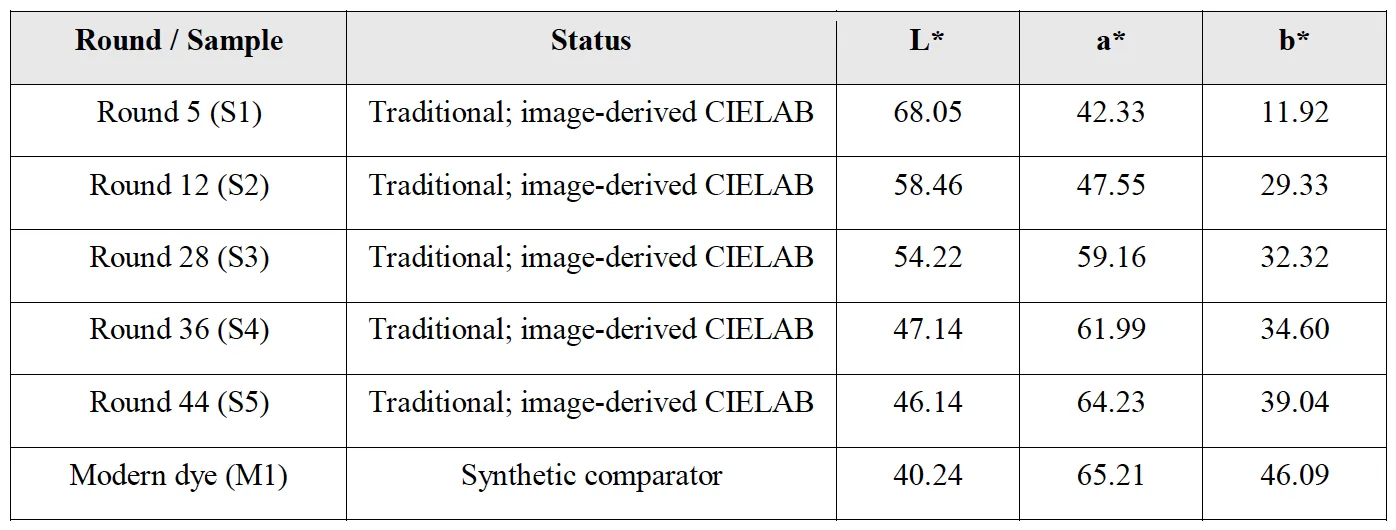
The five traditional sampling points show consistent overall darkening and strengthening of chromatic colour, but the rate of change is nonlinear. L* decreased from 68.05 at round 5 to 46.14 at round 44; a* increased from 42.33 to 64.23; b* increased from 11.92 to 39.04. The largest gain in redness occurred between rounds 12 and 28 (+11.61 a* units), after which a* increased by only 2.83 units (rounds 28–36) and 2.24 units (rounds 36–44). L* likewise showed smaller late-stage change (–1.00 between rounds 36 and 44), while b* continued to rise, including a +4.44-unit increase in the final interval. The expanded dataset therefore supports a more nuanced picture than a single saturation point: red-axis development slows after round 28, while yellow-red tonal development continues through the final round. Total colour difference between rounds 5 and 44 is ΔE = 41.17, versus ΔE = 9.25 between round 44 and the modern synthetic comparator.
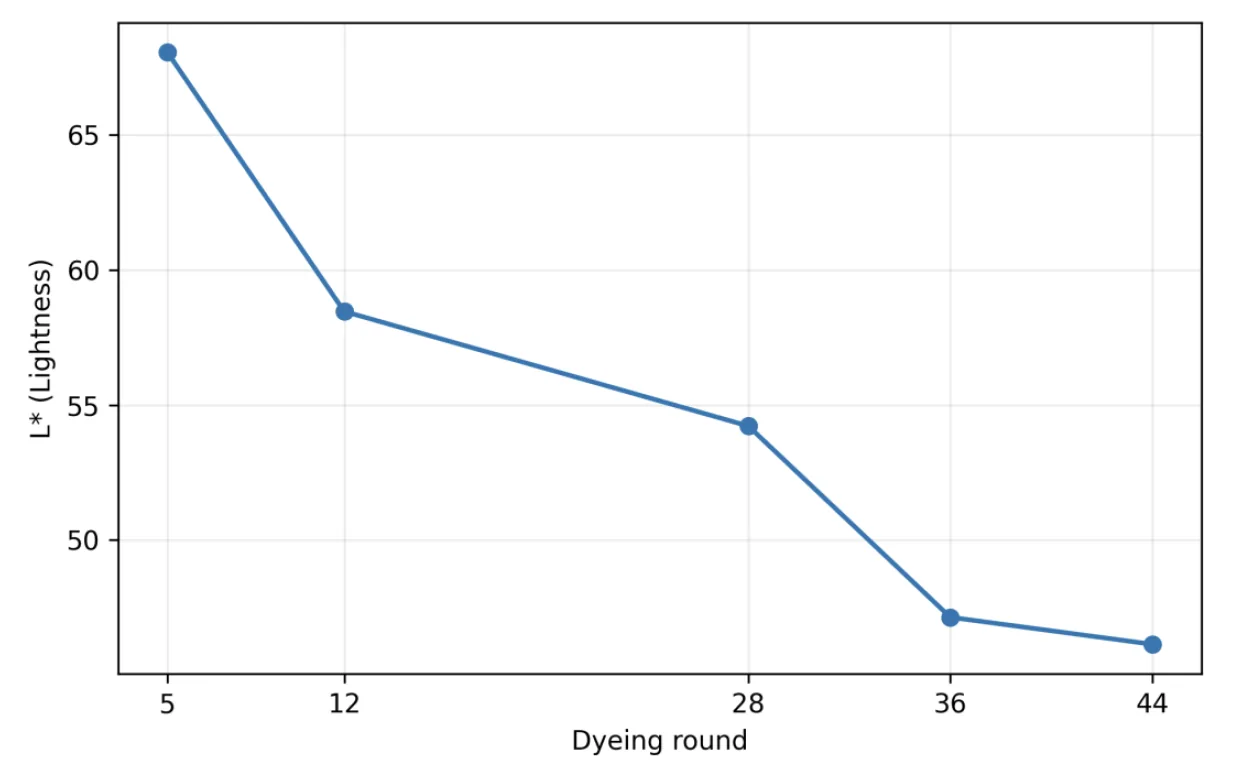
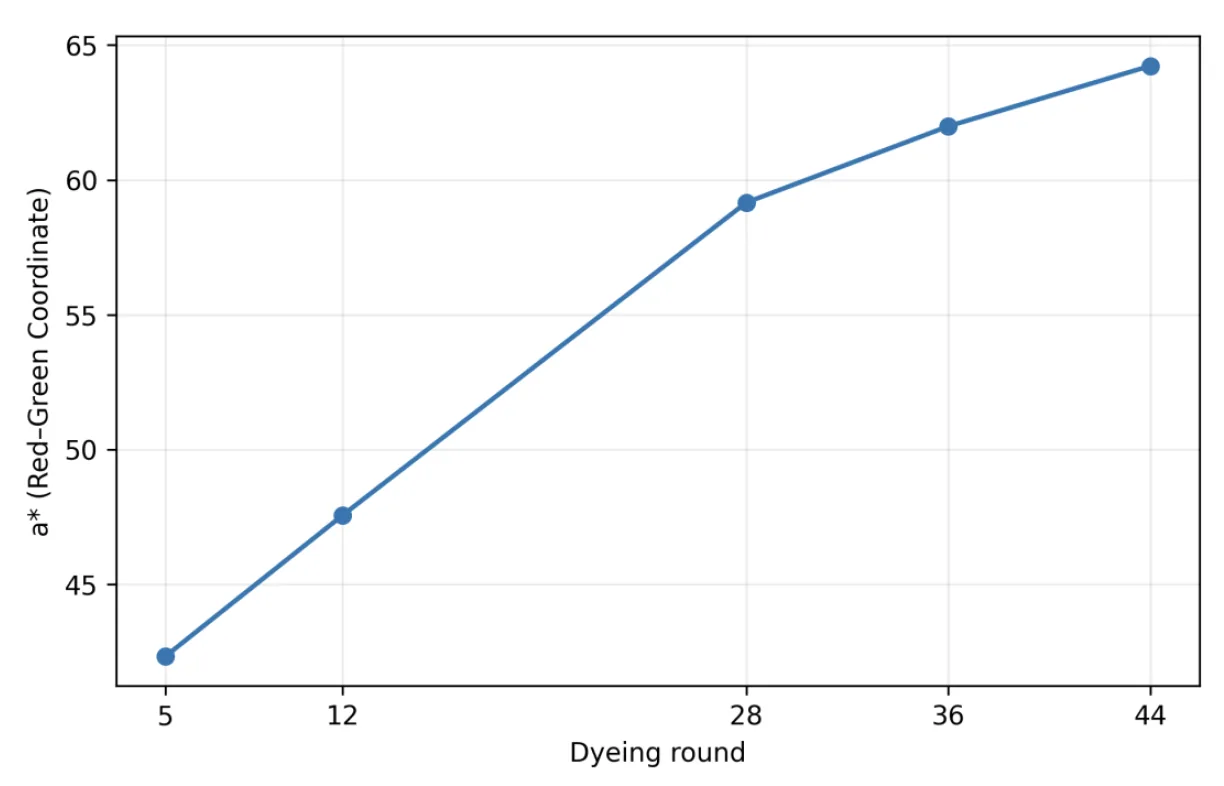
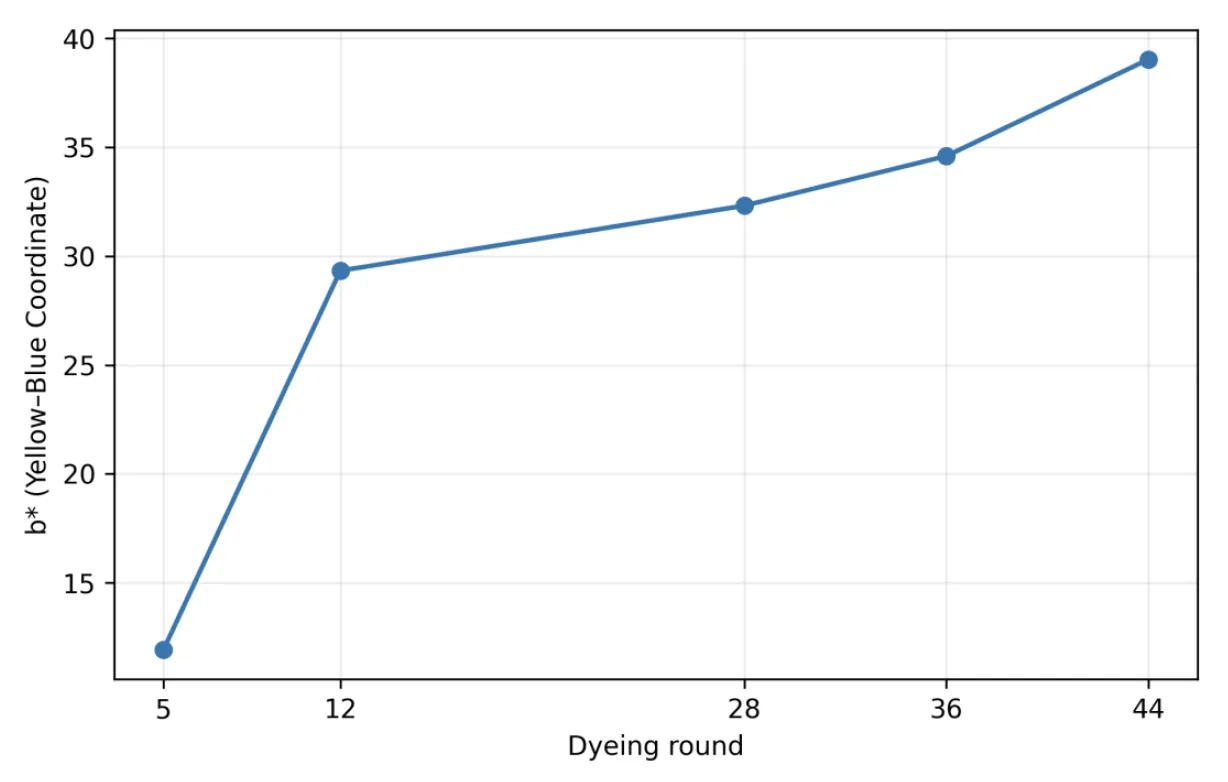

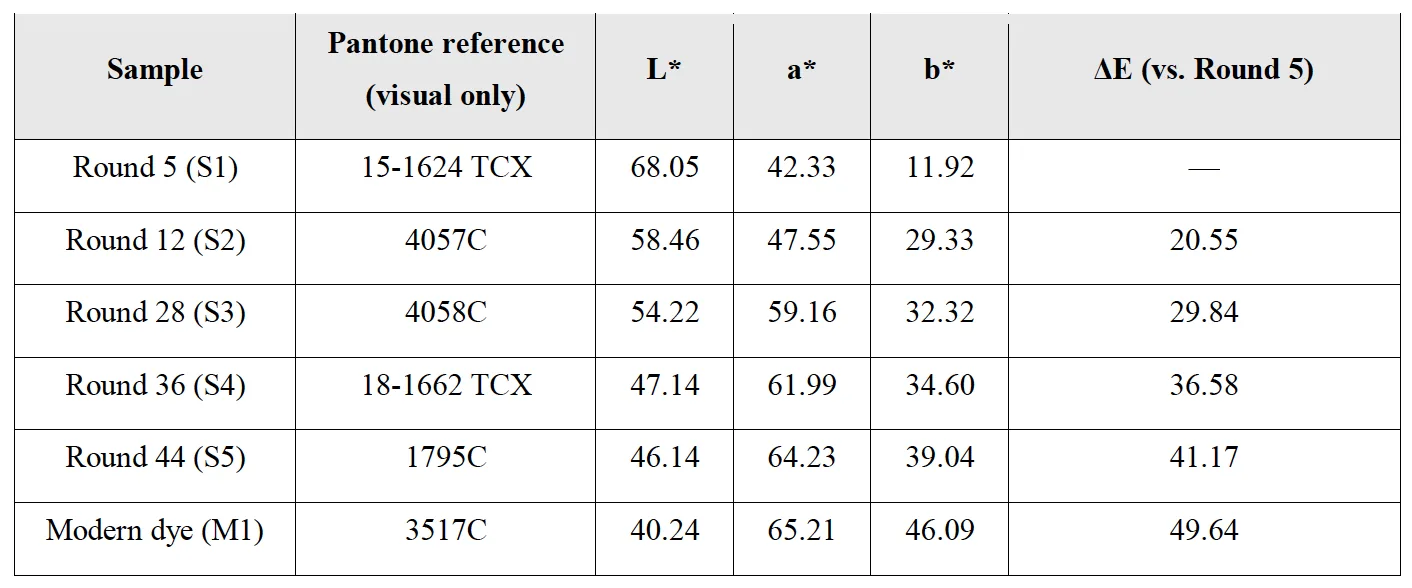
Because samples were collected at different process stages, including before and after later finishing treatments, part of the observed colour change may reflect surface gloss, roughness, or scattering in addition to pigment accumulation. The five-point sequence improves the temporal description of colour development without isolating these optical contributions from chemical dye uptake.
5.2 Comparative Analysis: Traditional Hongyeom versus Modern Textile Dye
The round-44 traditional sample and the modern synthetic sample differ by ΔE = 9.25. Their a* values are similar (64.23 versus 65.21), but the modern sample is darker (L* 40.24 versus 46.14) with a higher b* value (46.09 versus 39.04), giving it higher chroma (79.85 versus 75.16) and a hue angle of 35.3° versus 31.3° for the traditional sample — roughly a 4.0° shift toward yellow-orange. Under the photographic conditions used here, the traditional sample appears lighter and less yellow-shifted than the modern comparator.
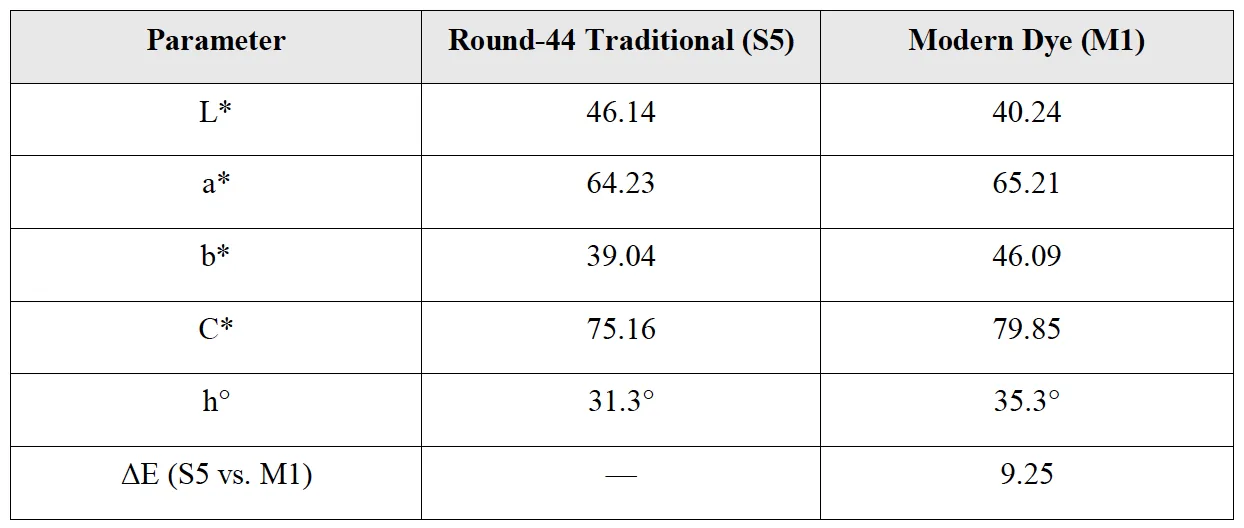
The expanded five-point sequence also reframes the traditional colour trajectory: it is not adequately described as a simple linear accumulation of red intensity, since the largest a* increase occurs between rounds 12 and 28, followed by much smaller gains, while b* continues to rise. The results indicate progressive but nonlinear colour development, and do not demonstrate a chemical adsorption isotherm or establish that later rounds represent equilibrium saturation.
6. Discussion
6.1 Tacit Scientific Knowledge in Intangible Cultural Heritage Practice
The sequence of steps in traditional hongnyeom — alkaline extraction with ash lye, acidic colloidal stabilisation with schisandra vinegar, and repeated shade-drying — aligns closely with the physicochemical principles described in Section 3, even though this knowledge was developed without access to modern chemical theory. Master Kim's empirical selection of omijacho, a polyprotic acid solution, over simple vinegar is a particularly striking instance of this alignment: its buffering properties correspond to what the literature identifies as favourable for colloidal carthamin stability, despite being selected through generations of craft practice rather than laboratory analysis. Viewed against the cultural and political weight of daehong described in Section 2 — a colour whose reproduction was institutionally mandated and legally restricted — it is plausible that this demand for reproducibility helped drive the refinement of a forty-four-cycle process with carefully sequenced reagents and drying stages. We offer this as an interpretive frame connecting the historical and chemical material presented here, rather than a claim independently demonstrated by the colorimetric data alone.
6.2 Colour Difference, Process Difference: An Appropriately Scoped Interpretation
The comparison between the round-44 traditional sample and the modern synthetic sample shows a clear difference in image-derived colour coordinates (ΔE = 9.25) and a divergence in hue direction of about 4.0°: under the photographic conditions used here, the traditional sample is lighter and less yellow-shifted, while the modern sample is darker and more orange-leaning. This is not, however, sufficient basis — from a single synthetic comparator — to claim that traditional safflower produces a colour industrial dyes cannot replicate; such a claim would require controlled instrumental measurement across multiple dyes. The five-point traditional sequence nevertheless offers a clearer process-level picture than the earlier three-point dataset: colour develops substantially between rounds 5 and 44, but a* increments shrink after round 28 while b* continues to rise, suggesting that daehong's visual development involves shifting contributions from lightness, redness, and yellow-red tonal direction across the later stages — alongside possible finishing, gloss, and texture effects, since the photographs capture surface appearance.
6.3 Limitations and Directions for Further Work
The expanded five-point design strengthens the descriptive colour-development analysis, but several limitations remain. The measurement relied on smartphone photography under natural daylight rather than a standardized illuminant or calibrated spectrophotometer, so the reported coordinates should not be treated as directly equivalent to instrumental measurements; future work should repeat the analysis under controlled illumination with a calibrated device. The study also lacks direct chemical quantification of carthamin (e.g., by HPLC or LC-MS), so it cannot separate pigment deposition from colour change caused by finishing treatments, and ‘adsorption’ language here should be read as descriptive rather than mechanistically demonstrated. The synthetic comparison uses a single commercial dye and application protocol, so broader claims about synthetic dyes as a category would require multiple industrial dyes and spectral-reflectance analysis. Finally, because samples were photographed at different process stages, surface finishing may contribute to observed differences; a future study should document finishing status at every sampling point and analyse matched specimens before and after finishing. The present study's strongest contribution remains the integration of authenticated craft observation with a five-point record of visible colour development; stronger mechanistic claims require chemical and instrumental follow-up.
7. Conclusion
This study documented the traditional Korean safflower dyeing process through direct collaboration with Intangible Cultural Heritage practitioner Kim Gyeong-yeol, and expanded the colour-development record from three to five sampling points across the forty-four-cycle process. Three findings emerge. First, colour development is substantial and nonlinear: L* decreased from 68.05 to 46.14, a* increased from 42.33 to 64.23 (with the largest gain between rounds 12 and 28, followed by markedly smaller later gains), and b* increased from 11.92 to 39.04, supporting the conclusion that red-axis development slows in later stages without by itself establishing chemical saturation. Second, the continued rise in b* shows that daehong becomes progressively warmer as the process advances — the final sample's chroma of 75.16 and hue angle of 31.3° indicate a saturated warm red rather than a purely neutral one, reflecting coordinated change across lightness, redness, and tonal direction rather than a single-dimensional increase in red intensity. Third, the round-44 traditional sample and the modern synthetic comparator differ by ΔE = 9.25: though similar in a*, the modern sample is darker and more yellow-shifted, meaning the two specimens are not colourimetrically equivalent under the conditions used here — a result specific to this comparison rather than generalisable to synthetic dyes as a category.
Photographic Documentation
Acknowledgments
The author sincerely thanks Master Kim Gyeong-yeol, designated Hongnyeomjang of Korea's Intangible Cultural Heritage system, for permitting direct observation of the traditional daehong dyeing process and for his guidance throughout the field research.
Conflicts of Interest
The author declares no conflicts of interest regarding the publication of this paper.
End Notes
1 The Academy of Korean Studies, ‘염색(染色) [Dyeing]’, Encyclopedia of Korean Culture, n.d., unpaginated, accessed April 2026; Seoul Metropolitan Government, 어사화(御賜花) 피는 북촌 [Royal Flowers Blooming in Bukchon], Seoul, 2020, p. 36. 2 Seoul Metropolitan Government, 어사화 피는 북촌, pp. 31, 35; Seoul Metropolitan Government, ‘서울특별시무형문화재 종목 지정 및 보유자 인정 고시 [Notice of designation of Seoul Intangible Cultural Heritage items and recognition of holders]’, Seoul Metropolitan Government Gazette, No. 3404, 13 April 2017, p. 36.
3 Katarzyna Lech, Jakub Nawała and Stanisław Popiel, ‘Mass Spectrometry for Investigation of Natural Dyes in Historical Textiles: Unveiling the Mystery behind Safflower-Dyed Fibers’, Journal of the American Society for Mass Spectrometry, Vol. 32, No. 10 (2021), pp. 2552–2566, p. 2552; R. A. Laursen and C. Mouri, ‘Decomposition and Analysis of Carthamin in Safflower-Dyed Textiles’, e-Preservation Science, Vol. 10 (2013), pp. 35–37, p. 35.
4 Rosa Costantini, Ina Vanden Berghe and Francesca Caterina Izzo, ‘New Insights into the Fading Problems of Safflower Red Dyed Textiles through a HPLC-PDA and Colorimetric Study’, Journal of Cultural Heritage, Vol. 38 (2019), pp. 37–45, p. 37; Lech, Nawała and Popiel, ‘Mass Spectrometry for Investigation of Natural Dyes’, p. 2552.
5 Lech, Nawała and Popiel, ‘Mass Spectrometry for Investigation of Natural Dyes’, p. 2552; DKHC Edu, ‘복식사전: 홍화염색 [Safflower Dyeing]’, Korean Costume Dictionary, n.d., unpaginated, accessed 27 August 2026.
6 National Folk Museum of Korea, Encyclopedia of Traditional Korean Clothing, Seoul, 2021, pp. 130–131; DKHC Edu, ‘복식사전: 적의 [Jeogui]’, Korean Costume Dictionary, n.d., unpaginated, accessed 27 August 2026. 7 The Academy of Korean Studies, ‘Dyeing’; Seoul Metropolitan Government, 어사화 피는 북촌, p. 36. 8 Kyunghee Pyun and Minjee Kim (eds), Dress History of Korea: Critical Perspectives on Primary Sources, Bloomsbury Visual Arts, 2023, p. 172; The Academy of Korean Studies, ‘Dyeing’.
9 Hyun-Jung Park, ‘A Study on Arguments over the Light Pink Color of Official Uniforms in the Joseon Dynasty (Part I)’, Journal of the Korean Society of Clothing and Textiles, Vol. 35, No. 9 (2011), pp. 1125–1137, pp. 1128–1129. 10 Seoul Metropolitan Government, 어사화 피는 북촌, pp. 31, 35–36; Seoul Metropolitan Government, ‘Notice of designation of Seoul Intangible Cultural Heritage items and recognition of holders’, p. 36.
11 Kohei Kazuma, Takashi Takahashi, Katsura Sato, Hisatomo Takeuchi, Takeshi Matsumoto and Toshikatsu Okuno, ‘Quinochalcones and Flavonoids from Fresh Florets in Different Cultivars of Carthamus tinctorius L.’, Bioscience, Biotechnology, and Biochemistry, Vol. 64, No. 8 (2000), pp. 1588–1599, p. 1588; Tamako Otsu and Mitsuhiko Hida, ‘The pH Dependence of Absorption Spectra of Carthamin in Aqueous Solution’, Sen’i Gakkaishi, Vol. 63, No. 8 (2007), pp. 185–192, p. 185.
12 Laursen and Mouri, ‘Decomposition and Analysis of Carthamin’, p. 35; Youn-Sook Shin, Kyung-Hee Son and Dong-Il Yoo, ‘Dyeing Properties and Color of Silk Fabrics Dyed with Safflower Yellow Dye’, Journal of the Korean Society of Clothing and Textiles, Vol. 32, No. 6 (2008), pp. 928–934, p. 928.
13 So-Yoon Jung, Ji-Won Kim and Seon-Hwa Jeong, ‘Increased of Cooking Efficiency of the Lye Cooking Method for Traditional Korean Papermaking’, Journal of Korea TAPPI, Vol. 52, No. 4 (2020), pp. 73–80, p. 77; Kyung-Sun Kim, Dong-Won Jeon, Ha-Na Oh and Hye-Yeon Lee, ‘Efficiency of Dyes Extraction and Dyeing of Safflower according to pH Condition’, Fashion Business, Vol. 11, No. 2 (2007), pp. 102–112, p. 102; Kie-Seo Bae, Heon-Joo Ha and Kwang-Su Park, ‘The Degumming and Sericin Recovery of the Silk Fabric Using the Electrolytic Water’, Textile Coloration and Finishing, Vol. 14, No. 4 (2002), pp. 53–62, p. 53.
14 Shin, Son and Yoo, ‘Dyeing Properties and Color of Silk Fabrics Dyed with Safflower Yellow Dye’, p. 928. 15 Qing Guo, Wei-guo Chen, Zhi-hua Cui and Hua Jiang, ‘Reactive Dyeing of Silk Using Commercial Acid Dyes Based on a Three-Component Mannich-Type Reaction’, Coloration Technology, Vol. 136, No. 4 (2020), pp. 336–345, p. 336.
16 I. Langmuir, ‘The Adsorption of Gases on Plane Surfaces of Glass, Mica and Platinum’, Journal of the American Chemical Society, Vol. 40, No. 9 (1918), pp. 1361–1403, p. 1376.
17 Commission Internationale de l’Éclairage, Colorimetry, 4th edn, CIE 015:2018, CIE, 2018, pp. 28–29.