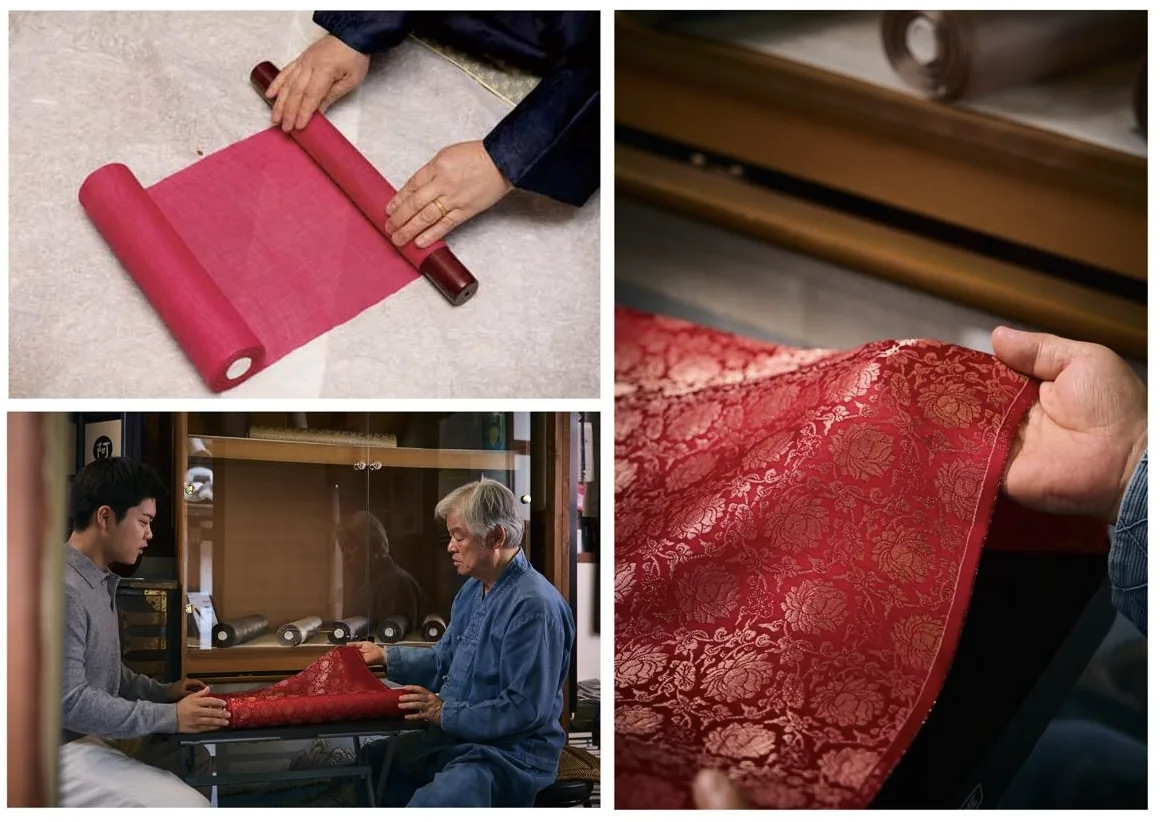
Jackson Park observed Master Kim Gyeong-yeol, Seoul Intangible Cultural Heritage No. 49 Hongnyeomjang, dye silk through forty-four cycles and measured how the colour moved from pale pink to deep crimson. The largest gain in redness came between rounds 12 and 28.
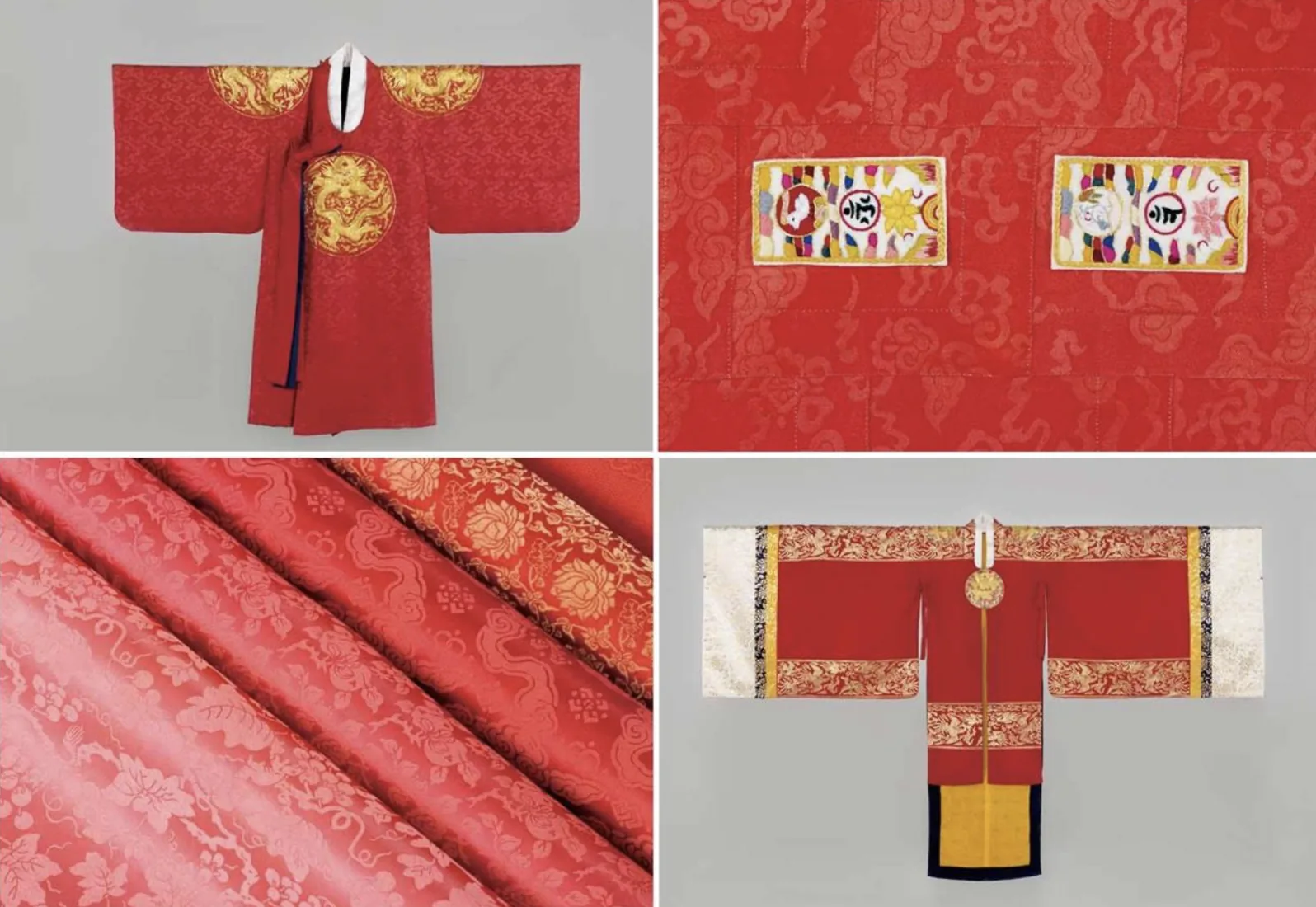
In Joseon Korea, daehong could only be produced in the Sanguiwon and hongjeon workshops. Its cost and meaning made it a regulated colour — until King Gojong's yellow hwangnyongpo moved royal symbolism away from red.
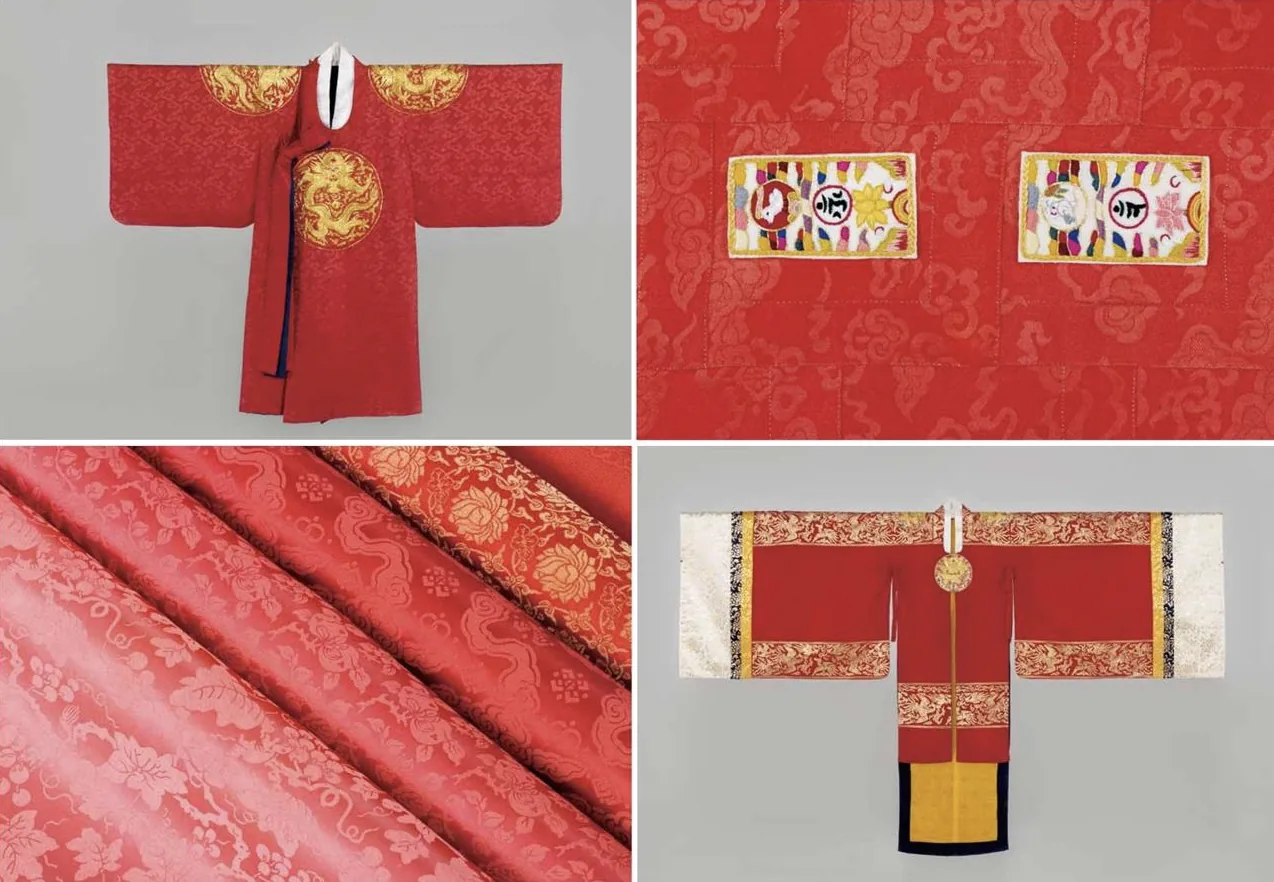
The shift of royal colour to yellow, the arrival of synthetic dyes and the suppression of traditional crafts under Japanese colonial rule (1910–1945) thinned the ranks of practitioners. Today the craft survives through a handful of masters and the apprentices who learn from them.
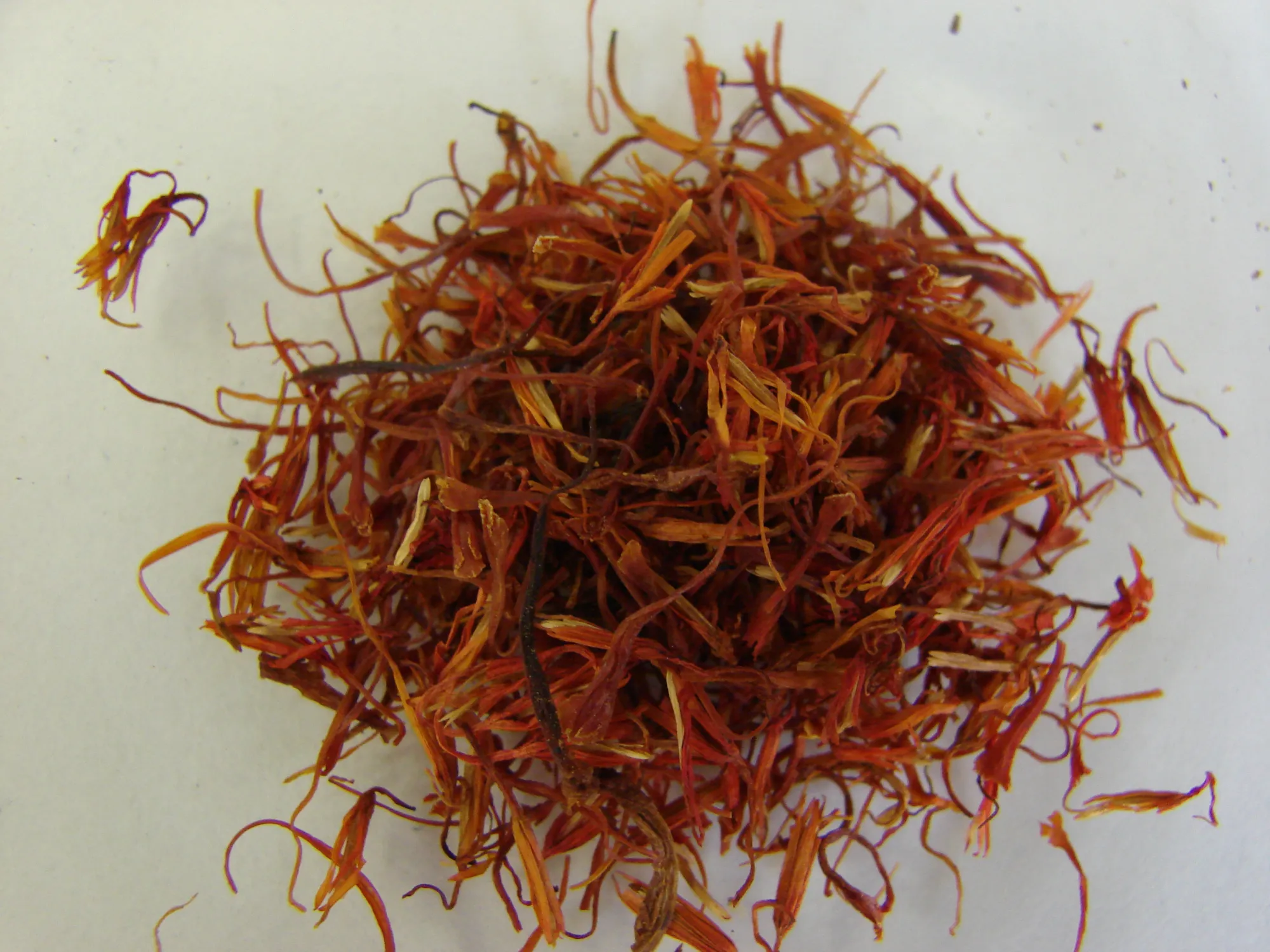
Safflower florets are washed in cold water four to seven times to remove the yellow.
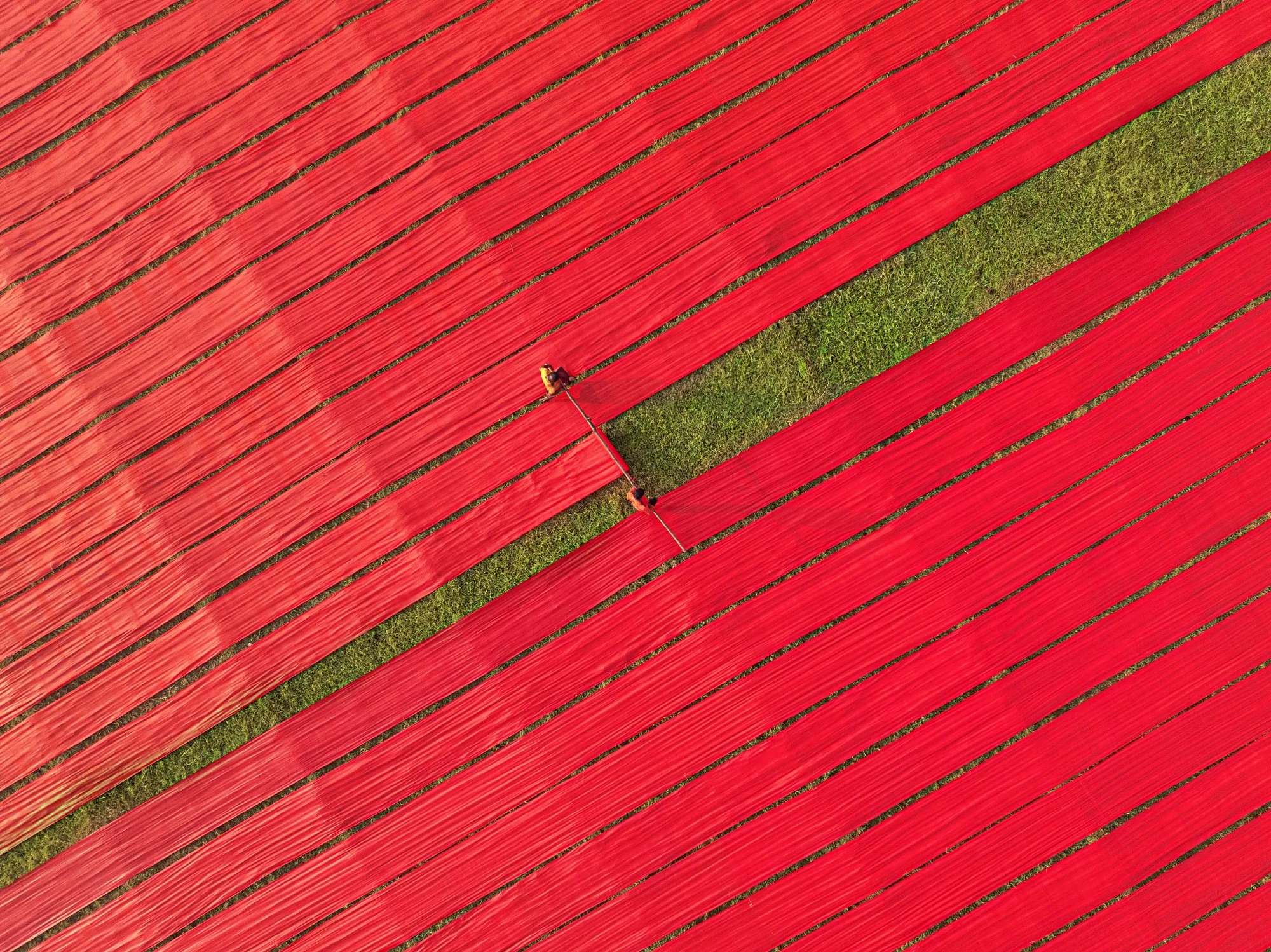
Schisandra vinegar (omijacho) brings the red extract to about pH 5.5–6.0, raising the crimson foam kkotgeobum.