
Paper by Haram Jackson Park NLCS Jeju · The Oxford Journal of Student Scholarship, Vol. 11, Issue 5 · 16 September 2026
“Red and the Record” is a review paper by Haram Jackson Park, published under the name Haram Park, in The Oxford Journal of Student Scholarship (OJSS), Volume 11, Issue 5, on 16 September 2026. It asks how Korean historians have written about the colour red, and how the state of Korea’s archives limits what they can claim. The full text is also kept on this site: read Red and the Record in full.
1. How has Korean scholarship described red, both as a material and as a symbol, with the sources it has?
2. How do the preservation, destruction, seizure and digitisation of Korea’s archives shape what can be claimed?
3. Where do Western accounts, with Spain as a comparison, show blind spots in Korea-centred accounts?
The paper is a Korea-centred narrative review. Sources were found through Google Scholar, JSTOR and the Korean database DBpia, and through the online archives of the National Institute of Korean History and the Academy of Korean Studies, including the Veritable Records of the Joseon Dynasty. Searches were made in Korean and English. Secondary studies, primary records and the digital archive portals themselves are each treated differently: the portals are examined for what they make easy to find and what they hide.
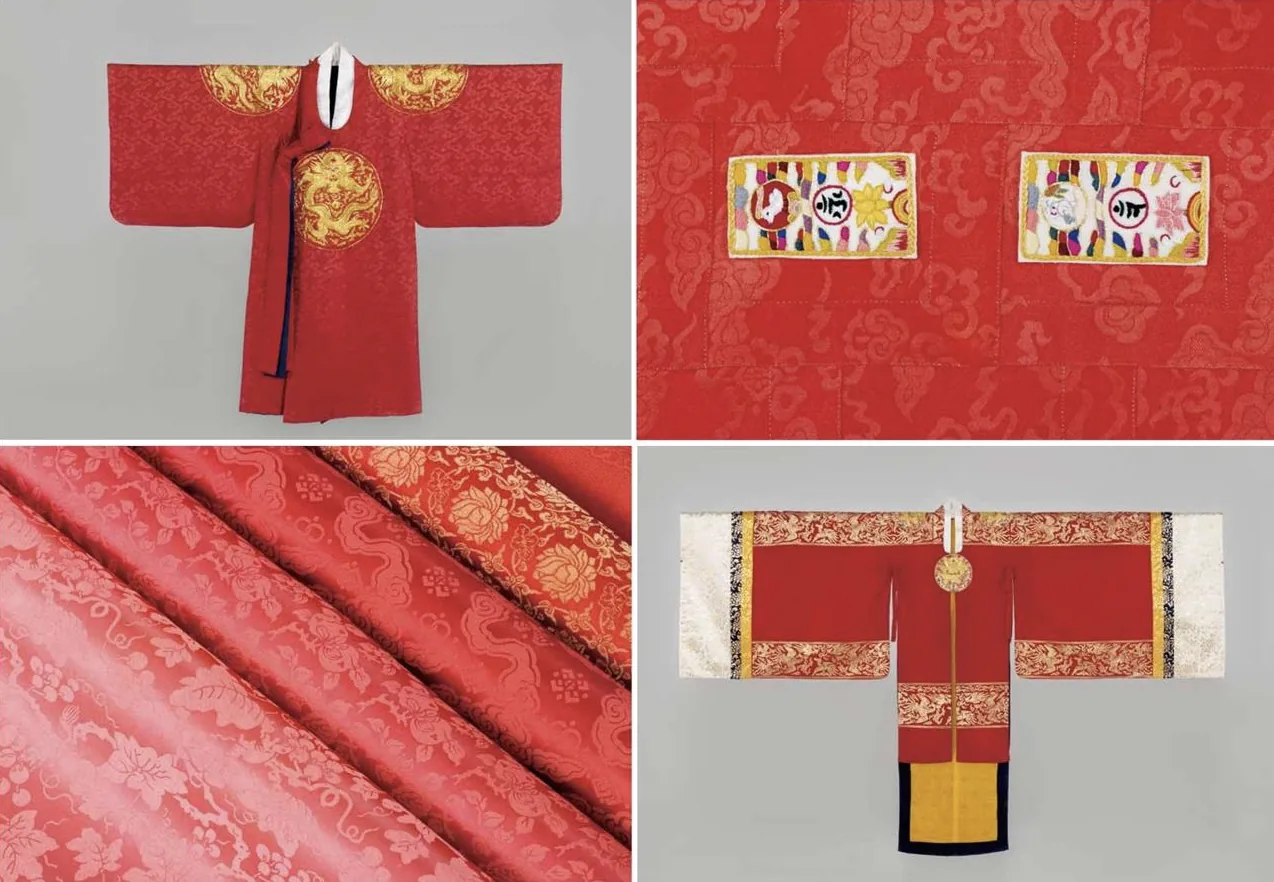
• Red is read through two main lenses: as a commodity shaped by state control and scarcity, from regulated royal clothing in the Joseon dynasty to the red of the 2002 FIFA World Cup crowds; and as a symbol rooted in folk belief, the five-colour system Obangsaek and shamanic practice.
• The material history of red is fairly well documented, but claims about what red meant rest mostly on elite records, so the views of ordinary people are thin.
• War damage, seizure during Japanese colonial rule and selective digitisation have all narrowed what historians can say, and who gets to say it.
• Spain, with its long history of red as power and trade, shows how little commodity-centred analysis Korean scholarship has done.
• Use non-elite sources such as household compendia like Gyuhapchongseo.
• Question more strictly the evidence behind symbolic claims about colour.
• Pay attention to how selective digitisation decides which topics scholars can study at all.
“Analyzing the history of the color red is not merely an interpretation of aesthetics but rather a study of color as a proxy for power, hierarchy and cultural regulation.”
Journal: The Oxford Journal of Student Scholarship (OJSS)
Volume 11, Issue 5 · Published 16 September 2026
Author: Haram Jackson Park (published as Haram Park), NLCS Jeju
DOI: 10.65161/rec1cAHTPIYlbtnaJ
Language: English
Companion study: Korean safflower dyeing chemistry
Read the paper on the OJSS website → (원문 보기)
Original address: oxfordjss.org
1. THE BC STORY: 붉은 실의 인연, 세계에 닿다
2. Fashion Journal: 한 명의 고등학생이 보여준 천연염색과 전통문화의 미래
3. Dyeing the Dying History, the website by Haram Jackson Park
4. Poems: 나 또한 그의 이름으로 산다
5. OJSS paper: Red and the Record